


This article is more than 1 year old
Thunderbolt to go optical in 2012, says Intel
Up to a point, Lord Copper

Optical Thunderbolt cabling will become available this year, Intel, the chip maker behind the high-speed bus technology, has said.
Thunderbolt - aka 'Light Peak' - links are currently limited to copper cables, but the spec has always presented optical as an option. As is stands, the technology offers data transfer speeds of up to 10Gbps, well in excess of the likes of Firewire and USB 3.0.
Adding optical links would initially only increase the distance over which Thunderbolt cables can be strung, but Intel spokesman Dave Salavtore, speaking to Macworld, said the technology will evolve to deliver faster data rates over optical than copper.
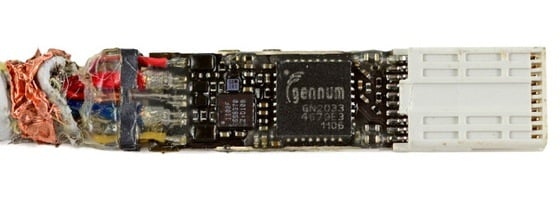
Inside Apple's copper Thunderbolt cable
The downside, he admitted, would be an end to bus-powered gadgetry. Copper cabling can deliver 10W of power.
The first optical cables are expected to incorporate light transceiver circuitry, allowing them to slotted into existing Thunderbolt ports.
Apple's Mac line are currently the only machines that support Thunderbolt, but other vendors are expected to offer the technology this year when Windows gains support. Acer, Asus and Lenovo have lined up behind the bus.
Earlier this week, Intel said it will incorporate the PCI Express 3.0 internal bus standard into Thunderbolt, the better to up the external bus' throughput. Thunderbolt currently uses PCIe 2.0.
Version 3.0 supports up to eight billion data one-way transfers per second, up from five billion in the current implementation. ®
 Biting the hand that feeds IT

