Motorola 'Intel inside' Android 4.0 phone spied on web
Hello Medfield
Details of Motorola's first Android 4.0 smartphone have leaked online, with the device also the company's first handset to sport Intel's 'Medfield' Atom platform.
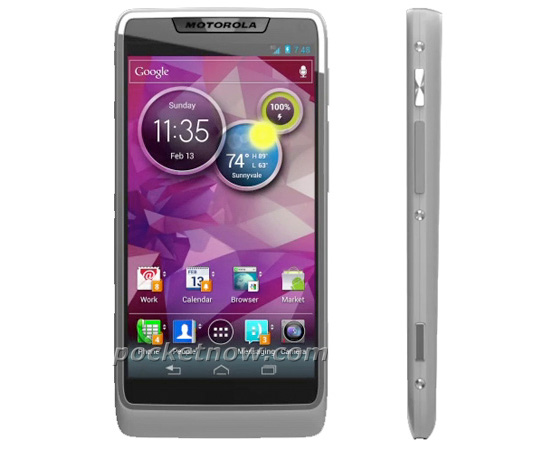
The above images of the unnamed device were posted to PocketNow, which says Moto opted out of employing traditional Texas Instruments OMAP processors in favour of the Intel chippery.
This'll run Android 4.0 Ice Cream Sandwich spruced up with the company's latest version of Motoblur.
Further details of the rather fugly phone are as yet unknown, other than word that the camera should offer instant-on functionality and 15fps burst capture.
Motorola said in January it had entered into a "multi-year, multi-device strategic partnership" with Intel. But Lenovo will be the first major manufacturer to offer an Atom-based smartphone. The Lenovo K800 goes on sale in Q2, in China.
The buttonless blower is expected to be unveiled at the Mobile World Congress (MWC) industry shindig later this month in Barcelona. ®
COMMENTS
Competition to Arm
Maybe but Arm is competition within itself and it does a pretty good job of keeping prices low, and technology high.
Nobody wants Intel x86 on a phone. It doesn't run Windows, it offers no compatibility with Windows applications. There's simply no point to it, it is just a desperate attempt by Intel to stay relevant and in control as mobile computing grows.
Yes, it would be nice to have some competition to ARM but it should be from another efficient well designed CPU family (mobile PowerPC would be nice) not the legacy tat that is x86.
Who's doing the teardown?
Be interesting to see the first teardown/BoM from iSuppli or whoever for one of these.
Medfield-based handset:
Medfield chip
RF chip
This chip
That chip
Other chip
Chip to store 0s
Chip to store 1s
[etc, ad nauseam]
OMAP-based handset:
OMAP chip including 50% of the handset functionality on one SoC
A handful of others (power, flash, camera, etc)
[Alternative ARM-based SoC suppliers are available]
Who cares?
Ultimately when I am using my phone I couldn't care less about instruction sets, at the end of the day it's all about how well it's executed, if Intel can make good mobile x86 chips then it's good competition, if not then they will fail. I think intel (and AMD) will do better in the tablet market though where x86/full windows could actually be beneficial.
Later revisions will incorporate more stuff, intel will buy some more companies and it will ultimately end up as a full SOC.
