


This article is more than 1 year old
Polaroid 300 instant print camera
Fun retro-snapper revived

Review The news that Polaroid has a new instant camera, after we thought it was done with all that frivolity, is likely to be greeted with squeals of nostalgic joy. While digital is superior in almost every sense there's a real warmth about those 80s prints that we remember adorning fridges and noticeboards. The Polaroid 300 (tsk, these unwieldy techie names) takes you straight back to your childhood, making a spontaneity-encouraging break from all that DSLR refinement.
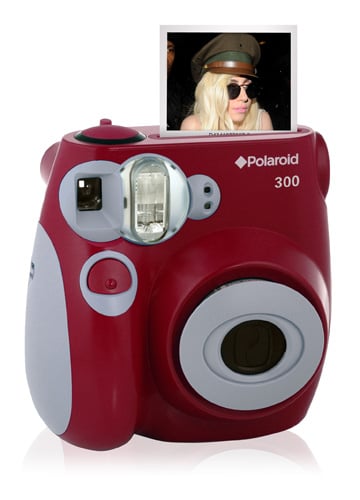
The antidote to a plain fridge door: Polaroid's 300
The 300 is about as basic as cameras get without being made by Fisher-Price. Available in blue, red or black, it's a pleasingly curvaceous and chunky design. It's big, but fits nicely into the hands. There's a dial on the top with four settings - indoor/dark, cloudy, fine and clear. With no manual shutter or aperture controls to be found – what you've got is what you get.
It takes four AA batteries and power-on is achieved when you gently pull the lens casing outwards, push it back in and it's off - all the operation is satisfyingly car-door simple. The shutter button is on the front beneath the flash - which fires with each shot taken, like it or not.
The print slot is at the top, next to the setting dial. At the back there's a counter to let you know how many shots you have left – essential when you've only got 10 per film. The film cartridge slots into the back with ease and is ready to go after one click of the shutter button to process the first blank sheet.
A tiny green light provides the only evidence that you're ready to go - there's just a basic optical viewfinder to peer through, and no LCD screen to guide you. You realise pretty quickly that this is a different way of taking pictures to the one you're used to. Frame your shot as best you can without your usual digital crutch, press the button and lo and behold, with a familiar whirring whine, a rectangular white-framed print emerges.
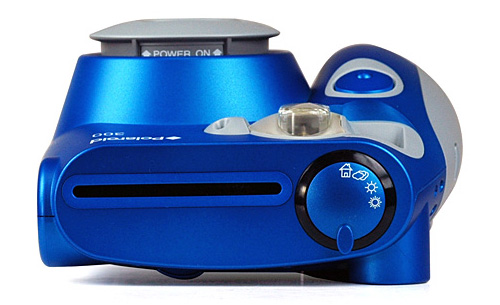
Basic controls, but aesthetically pleasing results
This is the Polaroid 300's raison d'être, and it's an undeniable little thrill to see and hear the print pop up. It may not be the classic fat square of old, which is a small disappointment; but by gum it's an instant photographic print (still with room for a caption at the bottom - although my biro doesn't seem to like it), and for a moment it feels like the unwieldy, impractical, expensive future.
 Biting the hand that feeds IT

