


This article is more than 1 year old
Toshiba TG01 smartphone
A load of Tosh?

Review It seems like it's been a long time coming, but the TG01 is finally here. Toshiba's latest venture into the smart phone market is a Windows Mobile device but, in terms of size, looks unlike anything we've ever seen.
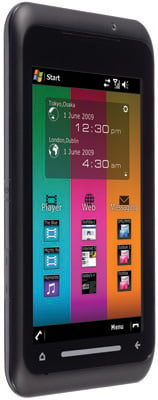
Toshiba's TG01
It’s bigger, thinner and, according to Toshiba, faster any other phone out there, thanks to its 1GHz processor. The TG01 also has HSDPA 3G (7.2Mbps), Wi-Fi, A-GPS and a 3.2Mp camera, which ought to put it in the front running with the best of the latest rash of high-end smart phones. It ought to, but appearances can be deceiving.
Yes indeed, the Toshiba TG01 is certainly bigger than the rest, and thinner too, at 130x70x9.9mm, just a whisker under the magic 1cm line. It's no heavyweight either at 129g, which makes it surprisingly pocketable. Admittedly, it's a bit awkward for a jeans pocket perhaps, but its slimness means that it will fit very nicely into the inside breast pocket of a suit.
The LCD touchscreen is, frankly, huge at 4.1in and dominates the front of the device. This 800 x 480 pixel WVGA display doesn't even extend to the edges, as there’s an extensive border around it. Above it are the loudspeaker and an LED with three warning colours: red for low battery or charging, blue for call or message waiting and green for sleep mode.
Below the screen are touch-sensitive home and back keys, plus a zoom bar for use while browsing. If you flick your finger onto the screen from the zoom bar you'll also bring up an additional onscreen navpad, with direction arrows and hot keys – very nice, but we couldn't see much use for it on a touchscreen phone.

Certainly thin, but too wide for a comfy fit in most pockets
The whole unit is wrapped in a pleasantly tactile and sturdy rubberised plastic case. A chrome-look strip runs all the way round the sides, highlighting a power button and volume rocker, camera shutter button and a covered micro USB slot. On the back is the lens for the 3.2Mp camera, crammed up at one end, and there's a little slot, which is possibly for there for ventilation, but it does mean that your phone's innards are exposed to stray bits of dust and fluff.
 Biting the hand that feeds IT

