HP UK pulls Linux from all new netbooks
Microsoft only option - unless you want an old model
What you need to know about cloud backup
HP has decided UK consumers don't want Linux-based netbooks. Actually, it appears to believe business buyers don't want the open-source OS either.
It emerged today that the company will not now be bringing its Mini 1000 netbook to the UK - at least not with Linux on board.
Nor will it release the more business-oriented Mini 2140 with Linux.
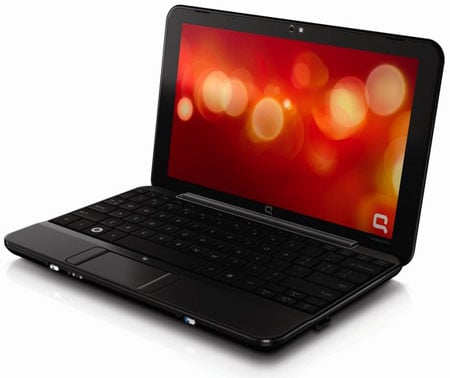
HP's Mini 1000: no Linux option in the UK
HP already offers the Mini 1000 Vivienne Tam Edition, along with the Compaq 700, which is the Mini 1000 rebadged with the alternative brandname. The various versions of the 700 and the Vivienne Tam 1000 all come with Windows XP pre-loaded.
The Intel Atom-equipped Mini 2140 - successor to the VIA C7-M based 2133, which was released in May 2008 - is listed by HP as coming with a choice of operating systems: Windows XP or Windows Vista.
HP UK still sells the old 2133, and continues to offer the machine with either XP or SuSE Linux. But with the release of the better-specced 2140, it's unclear how long the 2133 will remain on sale.
HP's US customers can buy both the 2140 and the Mini 1000 with Linux, either HP's "Mobile Internet Experience" OS - a Ubuntu derivative - or SuSE.
HP will offer Mi as a download to UK buyers, but anyone who installs will have already paid the so-called "Windows tax" - which they would not with a Linux pre-installed model. ®
COMMENTS
LINUX Laptops
Give it up. If there were sufficient people wiling to buy Linux laptops then HP would be selling them. That old "you've got the wrong distro" excuse is years-old now. The viable non-geek consumer choice is between WIndows and Mac on the desktop.
Linutop re-new commitment to Linux
Linutop strongly believe in giving users the maximum freedom of choice and flexibility. An open source, Linux-based operating system is the ideal platform that allows users to get most of their devices. Additionally, open source allows running systems more cost-effective because users do not have to pay for an operating systems and applications from the established vendors. We are convinced that open source operating systems will become even more popular amongst many professional and semi-professional users in the future.
Even in the area of consumer technology there is strong opportunity for open source. It will be very interesting to see how the market reacts on the Google mobile phone with its open source operating system and what effect this might have on the established systems like Symbian and Windows Mobile.
Businesses are under incredible pressure to become more flexible and reduce costs at the same time. This will drive demand for more developer friendly and cost efficient systems in the future – which is exactly what open source operating systems like Linux provide.
@Simon
"actually, no. windows has drivers for most things, and if not, you just have to pop the CD in the drive or run windows update."
I just told you of at least on e situation where the opposite is true. Keep spouting your bullshit though.
"oh and anyone in charge of purchasing IT equipment for employees who chooses linux over windows is an idiot and should be fired."
Right, because we all know that change is bad and companies should never try changing business practices to save money on software, increase productivity or increase the lifetime of their hardware acquisitions?
All because that initial 10 minutes of "here is your office program, it works pretty much the same, here is how you log off" is just too costly.
Twat.

IT infrastructure monitoring strategies
What you need to know about cloud backup
Enabling efficient data center monitoring
Agentless Backup is Not a Myth
Top 10 SIEM implementer’s checklist