


This article is more than 1 year old
German developers forge Iron from Chrome
Browser transmutation for privacy fans

German developers had developed a cut-down version of Chrome that doesn't send usage data back to the Google mothership.
Iron is aimed at punters who like Chrome's fast JavaScript engine but baulk at the search giant's policies for collecting usage data.
SRWare forged Iron by taking out all the features privacy-sensitive punters might find objectionable. According to an English translation by Incomplete News, Iron is based on the Chrome source code minus elements including the absence of a unique user-ID and the removal of code that sends user-specific information to Google. In addition, application crash data is not sent back to Google and there's no Google updater, a function which if left undisturbed might put objectionable code back into the mix.
Windows XP and Vista versions of Iron are available from the SRWare's site here. Links to the 10.3MB download are in German, as are the installation instructions, but it appears with a English interface when loaded on a UK version of XP, at least.
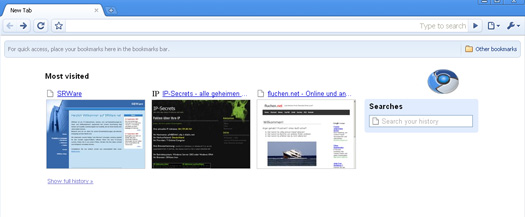
A quick try-out suggests the browser is just as nippy as Chrome and that it seems to do what it says on the tin in terms of browsing privacy.
In all, it's an interesting coding exercise that shows the benefits of having a open source browser - doing something similar with IE is a non-starter. However, it's difficult to imagine that Iron will pick up much market share, and people unimpressed with the idea of handing over yet more data to the world's biggest ad broker are more likely to turn to Firefox or Opera instead. ®
 Biting the hand that feeds IT

