Samsung shifts 22-vibrate-mode handset
Throbbing technology with lots of useful applications
Samsung has taken touchscreen vibration feedback technology, dubbed Haptic Touch, one step further, by unveiling a phone with no less than 22 different types of vibration.
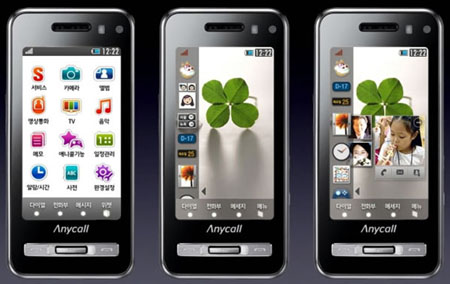
Samsung's AnyCall Haptic SCH-W420 has 22 vibration styles
The AnyCall Haptic SCH-W420 gives off different kinds of vibration according to the user’s actions. For example, the volume knob in the phone’s radio application clicks with each individual turn, much like an old-fashioned physical radio dial. However, typing out text messages means the phone vibrates to a different beat.
Whether or not users’ fingers will really be able to distinguish between so many different forms of vibration is another matter.
The W420 also has a 3.2in screen that’s able to display images snapped on the phone’s two-megapixel camera, or TV captured by the built-in digital tuner.
You won’t be able to test out the phone’s full range of vibration capabilities just yet, because the W420 is only set to be released in South Korea next month, for around 800,000KRW (£410/€520/$820).
COMMENTS
@b166er
take it one step further. Have it shoot barbed electrodes into the genital
Car indicators
The reason the clicking stayed, was to remind the more absent-minded driver that the indicator was still functioning. If only they had replaced that reminder with a boxing glove to the chest/bollocks. There should also be a backside electrode that is operated if you don't indicate when turning the steering wheel more than 45 degrees.
RE:Good for blind people?
"They're supposed to have sensitive fingers. I know for sure I don't even get close to reading Braille."
Some blind people perhaps but certainly not all. I know of one lady who lost her sight due to diabetes and the same condition meant that she had very poor sensation in her fingers. Cruel eh?
@Why Bother
There's a similar issue with car indicators - they always used to click as a direct function of the way that they worked.
When they were converted to use electronics, it was deemed appropriate/necessary to implement a click to keep people happy - otherwise they didn't know whether the lights were working or not.
There are advantages to using a "dynamic" control method that are not limited to the lack of motion in the keys - the ability to change the size/shape of the controls to match the running application for example.
(as for "intimate purposes", a friend of mine once let his phone just keep ringing when he was half asleep on the train - it felt too good to answer, apparently). Irritated the hell out of me, I needed to ask them a question...
Good for blind people?
They're supposed to have sensitive fingers. I know for sure I don't even get close to reading Braille.
