


This article is more than 1 year old
History dictates future of virtualization
A technology, not a market

First, a bit of history. In the early 1970s, IBM had two separate operating system development teams competing for the future of the mainframe. The establishment - represented by MVS - offered continuity from the age of the 360.
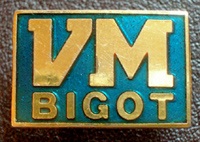
Another group of trendy virtual machine enthusiasts were quietly working on VM/370 - an exciting route away from the unwieldy monolith that MVS had become. The VM team even had stylish enamel button badges made with the legend "VM Bigot".
IBM's VM/370 was not the origin of virtualization - that accolade probably belongs to its precursors CP-40 and CP/CMS (interestingly, an early example of open source).
But it was the first commercial manifestation of virtualization and laid the ground for the bulk of development since - right down to VMWare, VirtualLogix, QEMU and a host of others.
Even in the 1970s anyone with any sense could see the advantages virtualization offered. It separates applications and operating systems from the hardware. With VM/370 you could even run MVS on top - along with other operating systems such as Unix. The irony was it took a long time for VM/370 - now called z/VM - to overtake MVS and take its place in IBM's product range. By the time it did, it was largely hidden from view - as such "deep" technology ought to be.
There is a lesson here for the new breed of "VM Bigots" (badge pictured). Virtualization is not a product - it is an enabling technology and as such it should be hidden from view. One wise commentator has already spotted this. Others who see virtualization as something more than a useful technology would do well to learn from history.®
 Biting the hand that feeds IT

